
Leading Fire Damage Restoration Products for Professionals
Access high-quality supplies tailored for restoration experts to restore properties efficiently after fire emergencies.
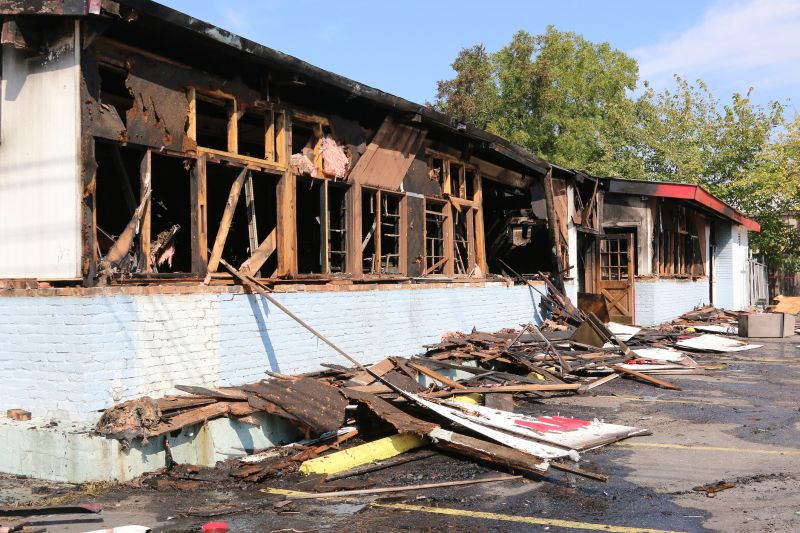 Fire restoration products are essential tools and materials used to address the aftermath of fire incidents, helping to restore safety, cleanliness, and structural integrity. These products encompass a wide range of solutions, including cleaning agents, odor neutralizers, soot removers, and protective equipment. Proper selection and application of these items can significantly impact the efficiency and effectiveness of the restoration process. When dealing with fire damage, it is crucial to understand the different product categories and their specific uses to ensure a comprehensive approach to cleanup and recovery.
Top Overall Option
Comprehensive Fire Restoration Kit
A versatile and all-in-one kit designed to provide a wide range of cleaning, deodorizing, and protective products suitable for various fire damage scenarios. It includes soot cleaners, odor neutralizers, surface disinfectants, and personal protective equipment, making it a practical choice for both professionals and serious DIY restorers.
Types of Products For Fire Restorations
Soot and Smoke Residue Cleaners
Specialized solutions formulated to remove soot and smoke residues from different surfaces, including walls, ceilings, and furniture.
Odor Neutralizers
Products designed to eliminate persistent smoke odors from indoor environments, often using enzymes or chemical neutralizers.
Surface Disinfectants
Disinfectants that help sanitize surfaces affected by fire and smoke, reducing bacteria and preventing mold growth.
Protective Respirators and Masks
Personal protective equipment essential for safety during cleanup, filtering harmful particles and chemicals.
Fire Damage Sealants
Sealants used to contain soot and prevent further infiltration into porous materials.
Thermal Imaging Cameras
Devices used to detect hidden hotspots and assess damage areas during restoration.
Fire-Resistant Drapes and Covers
Materials used to protect unaffected areas and furniture from further contamination.
Electrostatic Sprayers
Tools for applying cleaning solutions evenly across large surfaces and hard-to-reach areas.
Dehumidifiers
Equipment to reduce moisture levels, preventing mold growth post-fire.
Air Scrubbers
Devices that filter airborne particles, smoke, and odors to improve indoor air quality.
Chemical Absorbents
Materials used to soak up chemicals, oils, and residues left after fire damage.
Fire Damage Restoration Gloves
Durable gloves designed to protect hands during cleaning and debris removal.
Fire-Resistant Paints and Coatings
Coatings applied to walls and ceilings to improve fire resistance and contain damage.
Cleaning Brushes and Scrapers
Tools for manual removal of soot, charring, and debris from surfaces.
Thermal Insulation Materials
Insulation products that help prevent further fire spread and improve safety.
Popular Choices
Versatile cleaning solutions suitable for various surfaces affected by soot and smoke.
Effective sprays designed to neutralize lingering smoke odors in indoor spaces.
High-efficiency particulate air purifiers that help remove airborne smoke particles.
Convenient wipes for quick cleaning of soot and smoke residues on small surfaces.
Strong disinfectants used to sanitize fire-affected areas thoroughly.
Protective masks that filter out harmful particles during cleanup activities.
Absorbent materials that trap smoke odors in enclosed spaces.
Cloths that attract and lift soot particles from surfaces efficiently.
Complete kits containing a variety of cleaning and safety products for fire damage cleanup.
Sealants designed to withstand heat and contain damage in fire-affected areas.
Equipment to improve airflow and aid in odor removal and drying.
Specialized sponges that lift soot from surfaces without additional chemicals.
Curtains that provide added protection against fire spread and smoke infiltration.
Gels that absorb and neutralize smoke chemicals from surfaces.
Tools for detecting hidden hotspots and assessing damage areas.
Fire damage often leaves behind residues such as soot, smoke odor, and charred materials that require specialized products for proper removal. Using the right cleaning solutions can help eliminate these residues without causing further damage to surfaces or materials. Odor control products are also vital, as smoke odors can linger long after the visible damage has been addressed. Additionally, protective gear like respirators and gloves is necessary to safeguard restoration workers from harmful particles and chemicals during the cleanup process.
Choosing the appropriate products depends on the extent of damage, the types of surfaces involved, and safety considerations. Professional-grade products are often recommended for effective results, but there are also consumer options suitable for smaller-scale restorations. Proper training and adherence to safety guidelines are critical when handling chemical-based products to prevent health risks. Overall, a comprehensive toolkit that includes cleaning agents, odor neutralizers, protective equipment, and soot removers can facilitate a thorough and safe fire restoration process in residential or commercial settings.
Key Buying Considerations
- Assess the extent of fire and smoke damage to determine necessary product types.
- Choose products compatible with the surfaces involved, such as wood, drywall, or fabric.
- Prioritize safety features in protective gear, including proper filtration and fit.
- Consider the chemical composition of cleaning agents to avoid damaging sensitive materials.
- Evaluate the effectiveness of odor neutralizers, especially for persistent smoke smells.
- Check for ease of use and application methods suitable for your level of expertise.
- Ensure products are designed for use in enclosed indoor environments with proper ventilation.
- Look for multi-purpose products that can address soot, odor, and surface cleaning simultaneously.
- Review product labels for safety instructions and recommended usage guidelines.
- Consider the availability of replacement parts or refills for ongoing restoration efforts.
- Factor in the size of the affected area to select appropriately scaled equipment and supplies.
- Opt for products with positive safety and handling reviews from other users.
- Determine if professional-grade products are necessary for severe damage or DIY options suffice.
- Evaluate the overall budget while balancing quality and effectiveness of products.
- Ensure that products comply with local safety and chemical regulations.