
Optimal Timing for Fire Restorations
Determining the optimal time for fire restorations depends on several factors including seasonal weather patterns, property conditions, and fire activity levels. Typically, restoration efforts are most effective when weather conditions are stable and dry, allowing for thorough cleaning and repairs without delays caused by rain or snow. Engaging in fire restoration during periods of mild weather can also reduce the risk of further damage and facilitate safer working conditions.
Spring and early summer often provide ideal conditions for fire restorations due to moderate temperatures and lower humidity levels.
Restoration is best scheduled after fire activity has subsided to ensure safety and comprehensive cleanup.
Assessing the extent of damage and structural stability helps determine the most suitable timing for restoration work.
Coordinating with local agencies and ensuring access can influence the timing of fire restoration efforts.
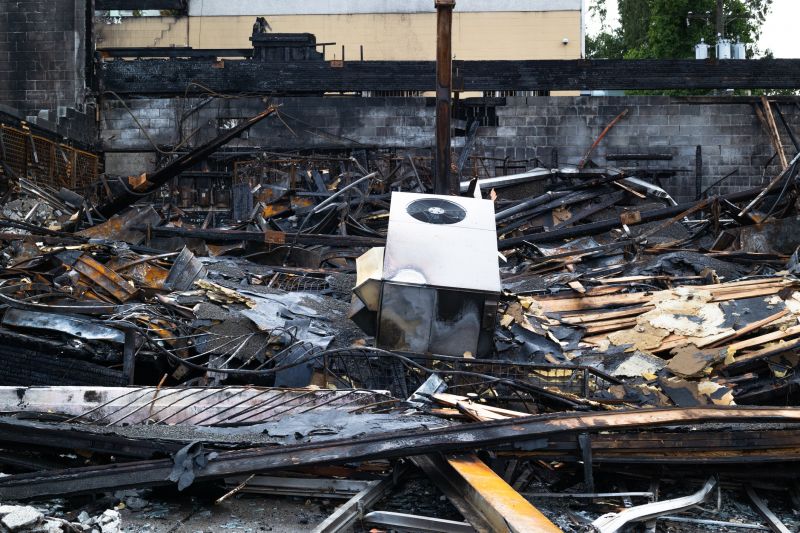
Visual evaluation of affected areas helps plan restoration timing.
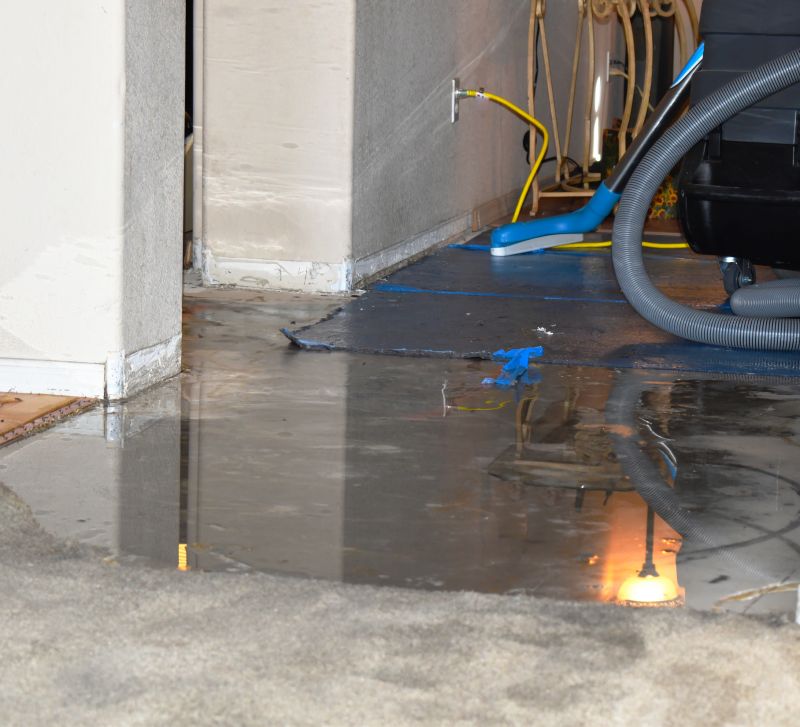
Tools and machinery ready for effective cleanup and repairs.
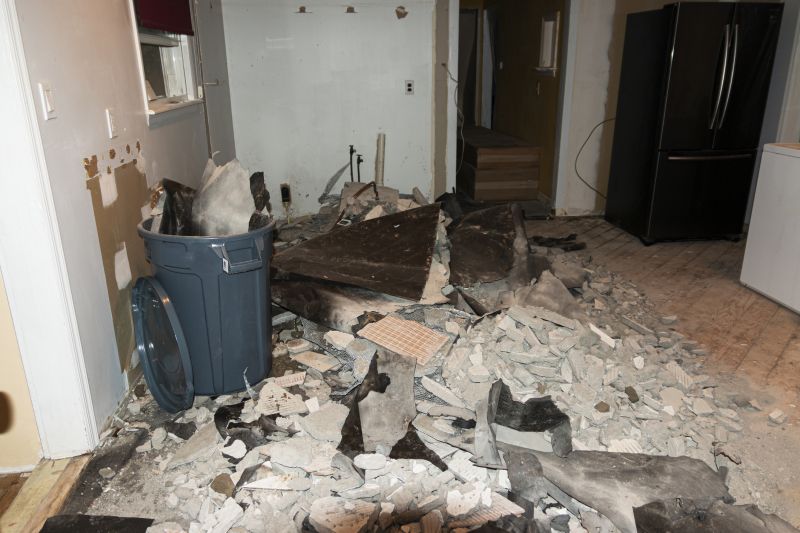
Removing debris and soot to prepare for repairs.

Ways to make Fire Restorations work in tight or awkward layouts.
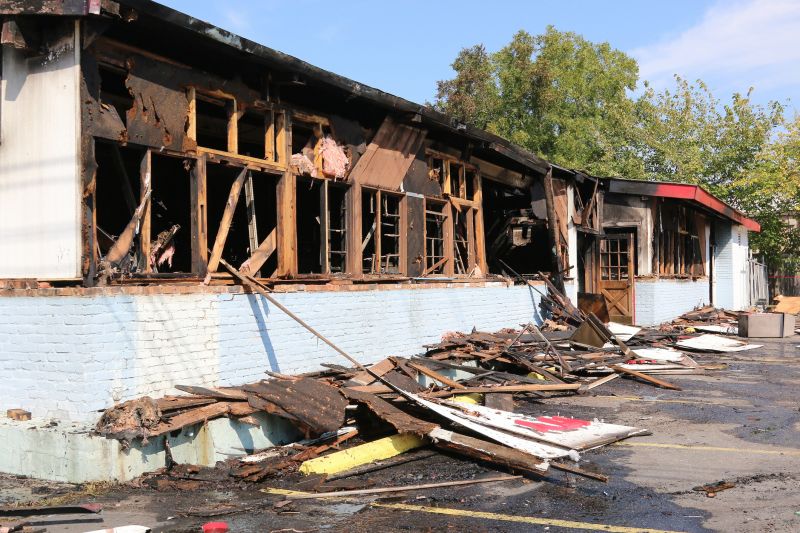
Popular materials for Fire Restorations and why they hold up over time.
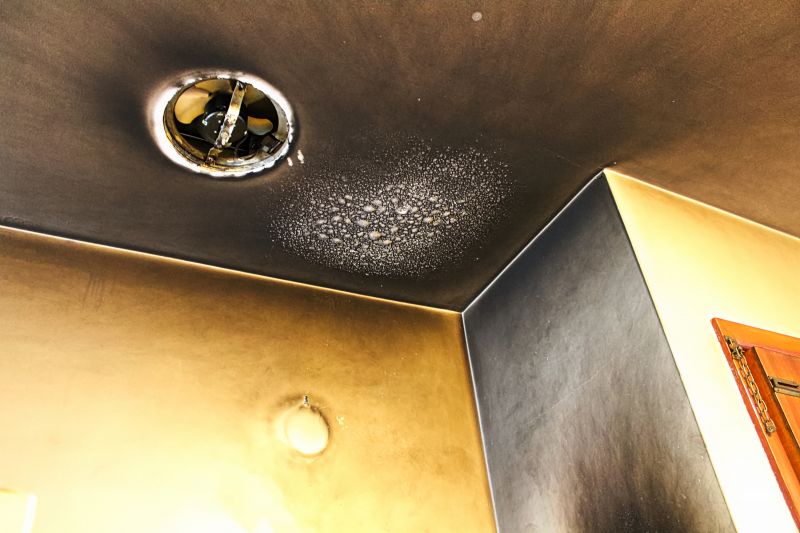
Simple add-ons that improve Fire Restorations without blowing the budget.
Fire restorations involve comprehensive processes to restore properties affected by fire damage. This includes soot and smoke removal, structural repairs, and odor elimination. The process requires specialized equipment and techniques to ensure safety and effectiveness. Timely restoration minimizes long-term damage, reduces health risks from residual smoke and toxins, and helps properties regain their original condition.
Fire damage causes billions in property losses annually, emphasizing the importance of prompt restoration.
Methods include thermal fogging, ozone treatments, and structural repairs to ensure thorough cleanup.
Proper restoration reduces health risks associated with smoke inhalation and chemical exposure.
Documenting fire damage accurately is essential for insurance processing and restoration planning.
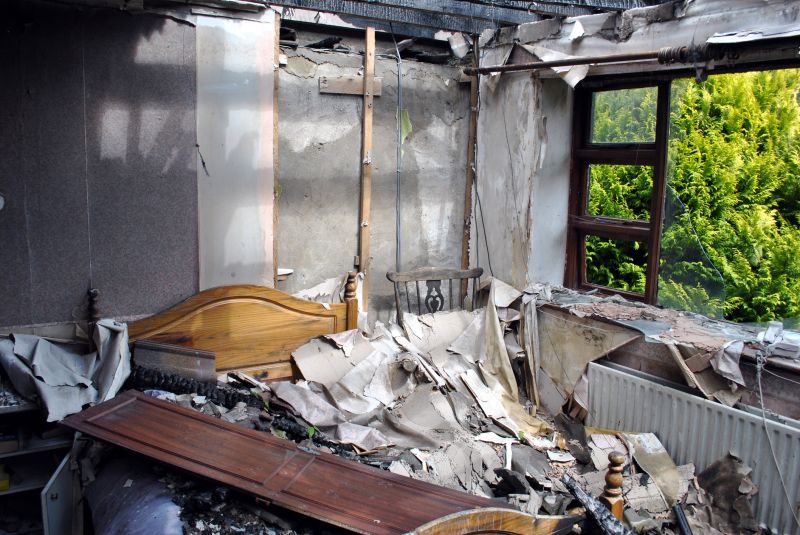
Visual comparison of properties pre- and post-restoration.
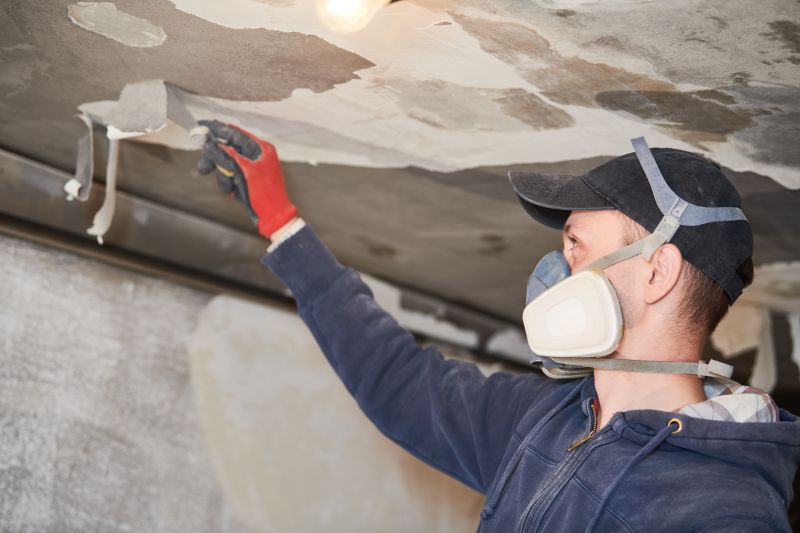
Professionals performing cleanup and repairs.
Specialized tools for soot removal and structural repairs.
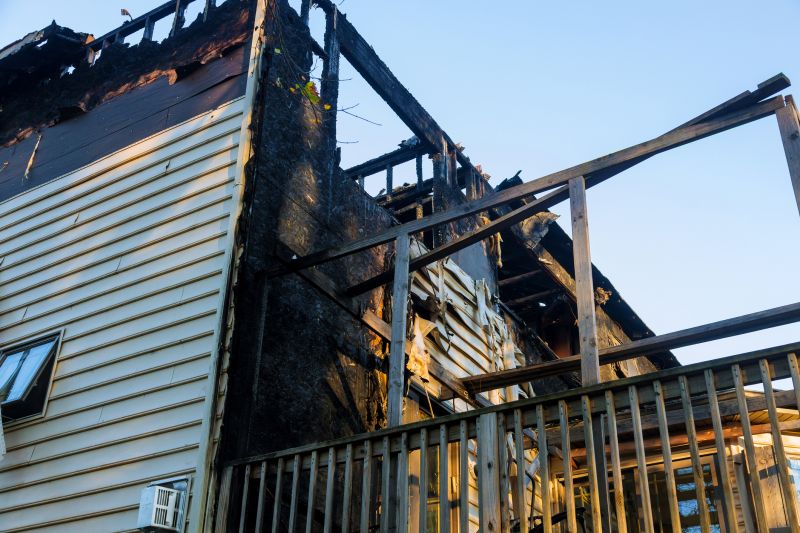
High-end options that actually feel worth it for Fire Restorations.
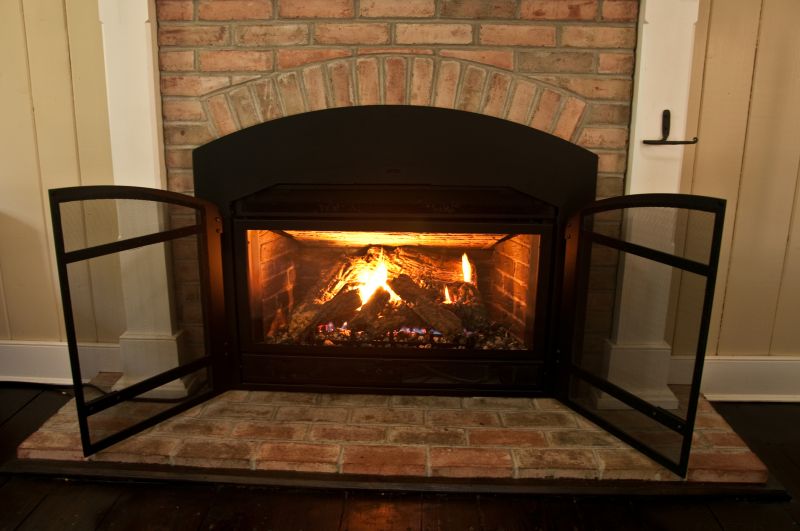
Finishes and colors that play nicely with Fire Restorations.

Little measurements that prevent headaches on Fire Restorations day.
| Aspect | Details |
|---|---|
| Optimal Seasons | Spring and early summer are preferred for stable weather conditions. |
| Fire Activity Levels | Restoration should follow after fire activity diminishes. |
| Weather Conditions | Dry, mild weather supports effective restoration efforts. |
| Property Inspection | Assess structural safety before scheduling work. |
| Community Coordination | Align efforts with local agencies for safety and access. |
| Damage Extent | More extensive damage may require longer planning periods. |
| Resource Availability | Ensure necessary equipment and personnel are accessible. |
| Safety Considerations | Work should only proceed when conditions are safe for crews. |
Understanding the timing of fire restorations is crucial for effective recovery. Proper planning ensures that cleanup and repairs are conducted under optimal conditions, reducing long-term costs and health risks. Consulting with restoration professionals can aid in determining the best schedule based on fire severity, weather, and property status. Prompt action combined with suitable timing can significantly improve restoration outcomes.
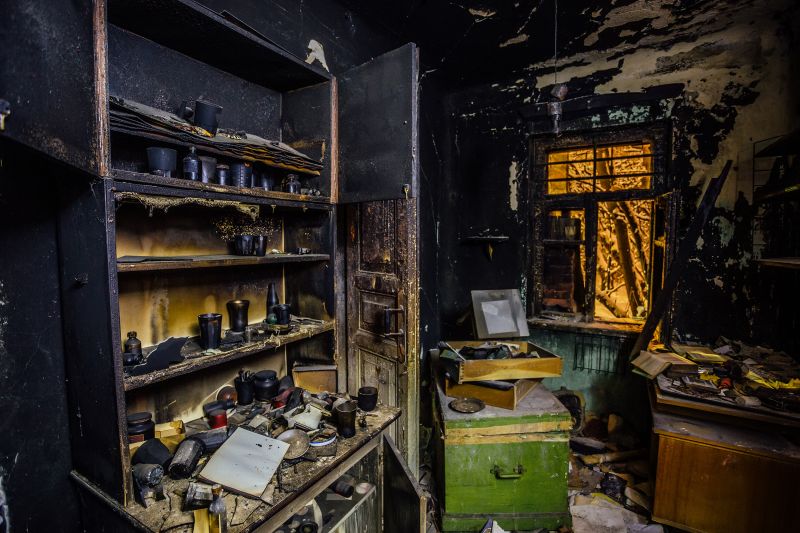
Removing soot and debris efficiently.
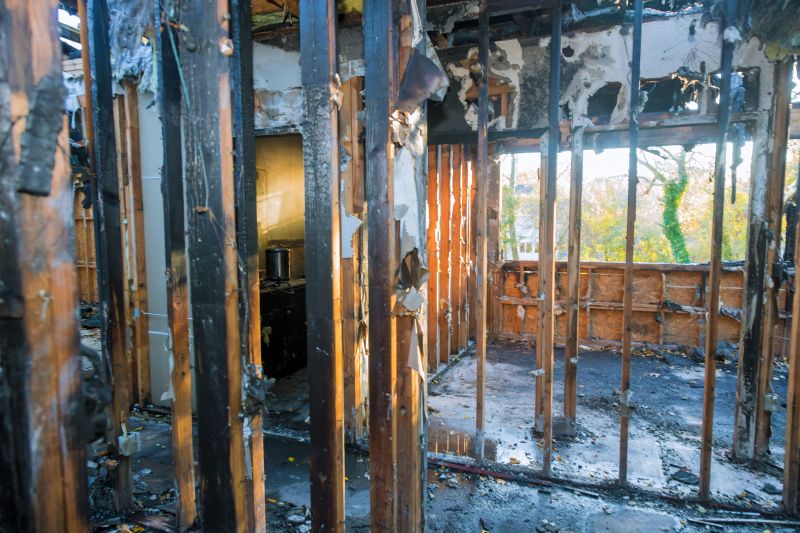
Restoring stability and safety of affected areas.
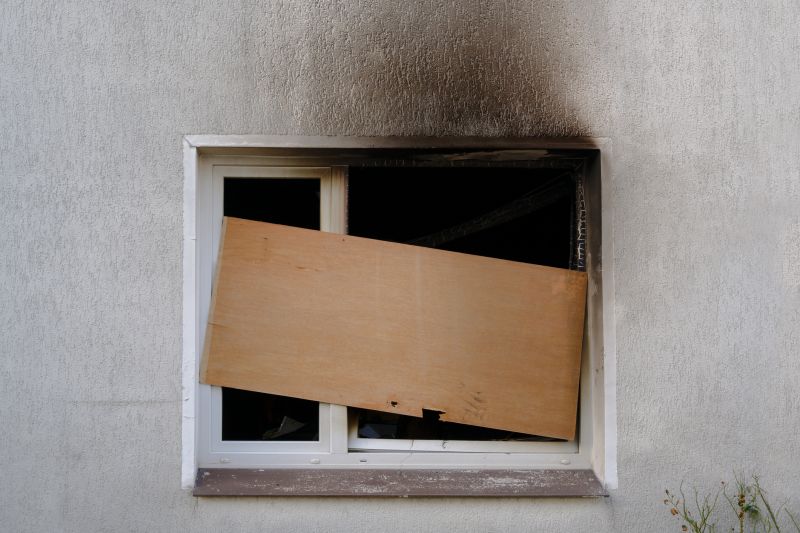
Using specialized treatments to eliminate smoke odors.
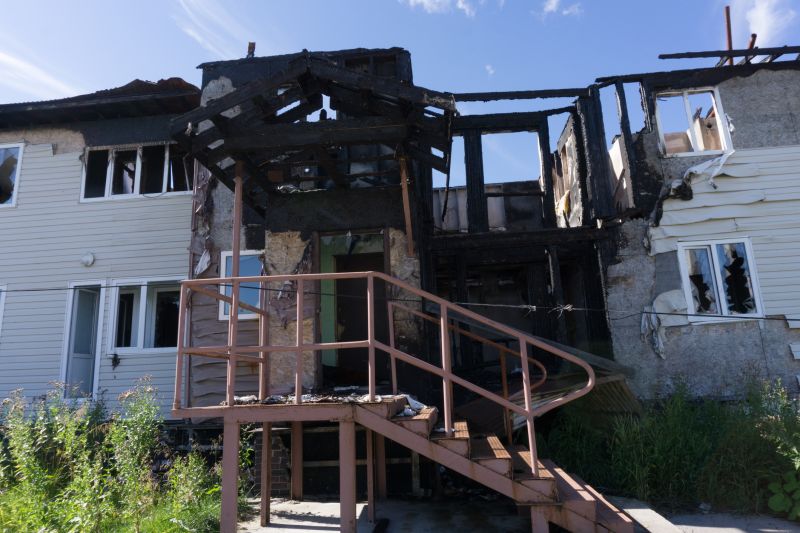
Completing repairs to restore property to pre-fire condition.
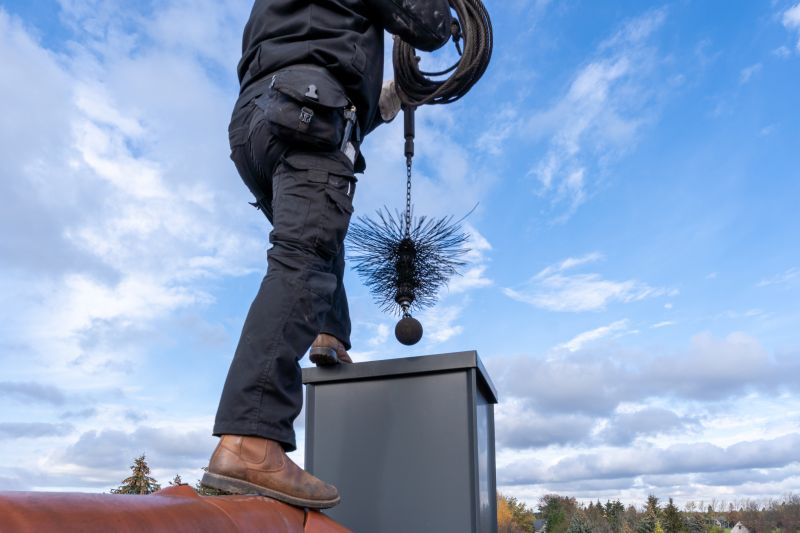
A 60-second routine that keeps Fire Restorations looking new.
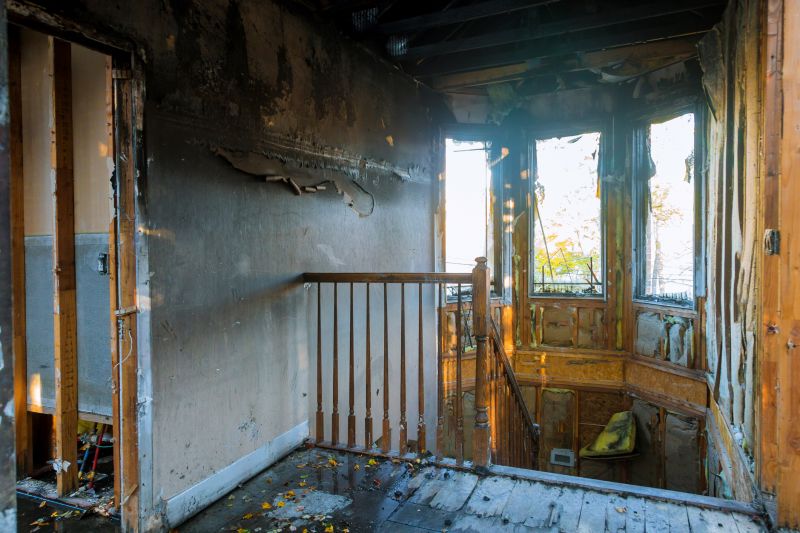
A frequent mistake in Fire Restorations and how to dodge it.

Small tweaks to make Fire Restorations safer and easier to use.
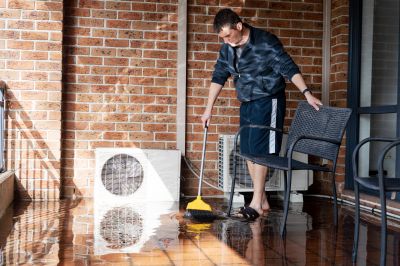
Lower-waste or water-saving choices for Fire Restorations.

The short, realistic tool list for quality Fire Restorations.
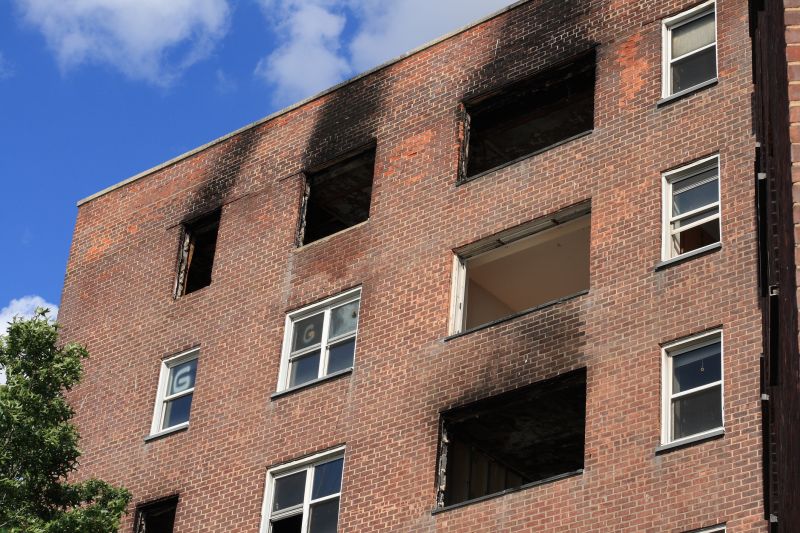
Rough timing from prep to clean-up for Fire Restorations.
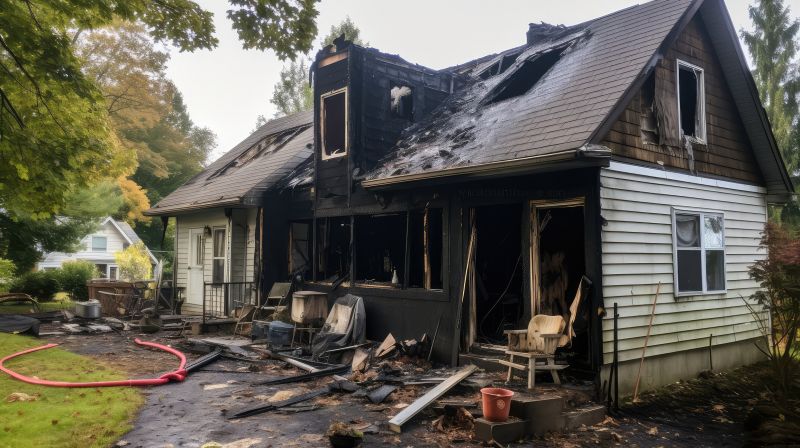
Quick checks and paperwork to keep after Fire Restorations.
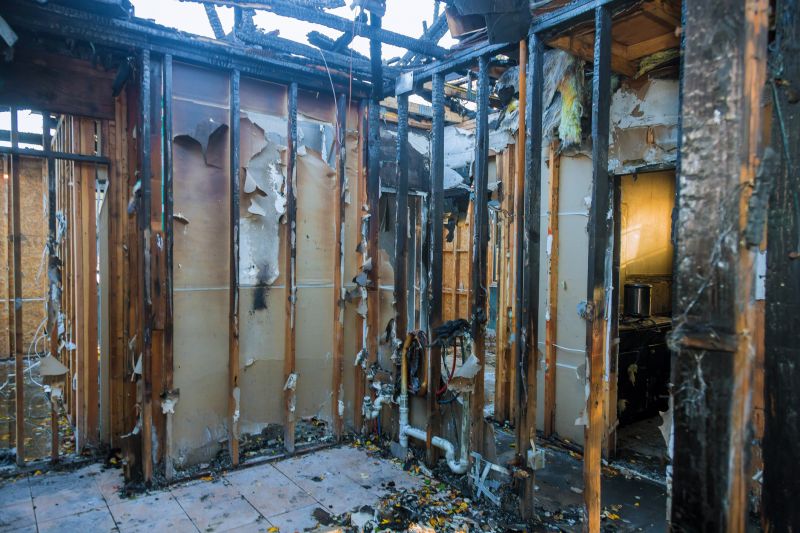
Examples that show the impact a good Fire Restorations can make.
Individuals interested in fire restorations are encouraged to contact for detailed assessments and tailored restoration plans. Timely intervention can help mitigate damage, reduce health hazards, and restore property integrity efficiently. Filling out a contact form provides an opportunity to discuss specific needs and schedule appropriate restoration services.